
What Is Steve Aoki’s Net Worth in 2025? $120 Million Revealed
February 7, 2026
Why Professional Massage Therapists Rely on a Quality Massage Room Rental in Miramar Beach
July 29, 2026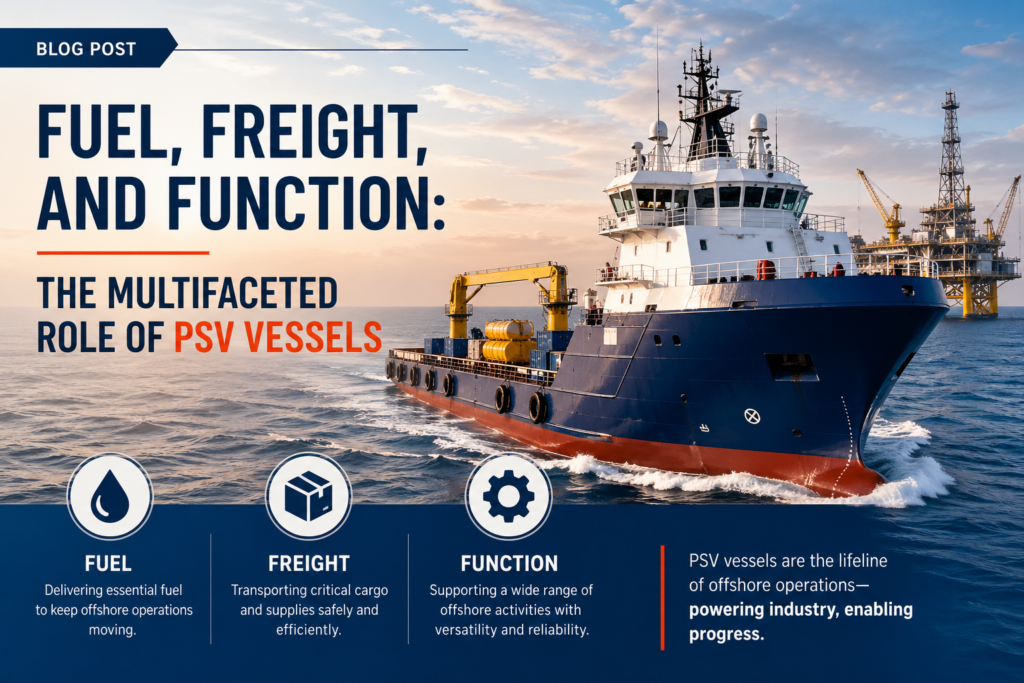
Offshore operations rely on precision, coordination, and constant movement of resources. Whether supporting oil platforms, offshore construction, or energy infrastructure, these environments depend on a steady and reliable supply chain. At the center of this system is the PSV vessel, a specialized ship designed to transport essential cargo and maintain the rhythm of offshore activity.
For those unfamiliar with offshore logistics, the role of a PSV vessel may seem straightforward. It carries supplies from shore to offshore facilities. However, the reality is far more complex. These vessels are engineered to handle diverse cargo types, operate in challenging conditions, and support a wide range of offshore functions.
This article explores the multifaceted role of PSV vessels, focusing on how they manage fuel, freight, and operational support. By examining their design, capabilities, and evolving importance, we gain a deeper understanding of why PSV vessels remain indispensable in modern maritime operations.
Understanding the Purpose of a PSV Vessel
A PSV vessel, or Platform Supply Vessel, is designed to serve offshore installations by transporting goods and materials required for daily operations. These vessels act as a logistical bridge, connecting shore-based supply hubs with offshore platforms.
The purpose of a PSV vessel goes beyond simple transportation. It must handle different types of cargo, including liquids, dry goods, and heavy equipment. This requires a design that balances flexibility with efficiency.
Offshore operations often run continuously, meaning that supply chains must be reliable. A PSV vessel ensures that platforms receive what they need without interruption, helping to maintain productivity and safety.
Fuel Transport: Powering Offshore Operations
Fuel is one of the most critical resources transported by a PSV vessel. Offshore platforms rely on fuel to power equipment, generators, and support systems. Without a consistent fuel supply, operations can quickly come to a halt.
PSV vessels are equipped with specialized tanks designed to carry different types of fuel safely. These tanks are engineered to prevent contamination and ensure that the fuel remains in optimal condition during transport.
The process of transferring fuel requires precision and adherence to strict safety standards. Crew members must carefully manage loading and unloading operations to avoid spills or accidents. This highlights the importance of both design and training in PSV vessel operations.
Fuel transport is not just about delivery. It is about ensuring that offshore facilities can operate continuously and efficiently, making the PSV vessel a vital component of energy logistics.
Freight Handling: Managing Diverse Cargo
In addition to fuel, a PSV vessel is responsible for transporting a wide range of freight. This includes equipment, tools, spare parts, and consumables needed for offshore work.
The open deck of a PSV vessel provides space for various types of cargo. Containers, machinery, and construction materials can be arranged to maximize efficiency and safety. This flexibility allows the vessel to adapt to different operational needs.
Handling freight in offshore environments presents unique challenges. Weather conditions, vessel motion, and limited space all influence how cargo is managed. Crew members must ensure that cargo is secured properly to prevent movement during transit.
Efficient freight handling is essential for maintaining the flow of offshore operations. By delivering the right materials at the right time, the PSV vessel supports productivity and reduces downtime.
Functional Versatility in Offshore Support
The true strength of a PSV vessel lies in its versatility. Beyond transporting fuel and freight, these vessels support a variety of offshore functions.
PSV vessels often assist with operational tasks such as equipment deployment and recovery. They can also provide backup support in emergency situations, transporting personnel or delivering critical supplies when needed.
This multifunctional role makes the PSV vessel more than just a supply ship. It becomes an integral part of the offshore ecosystem, capable of adapting to different scenarios and requirements.
The ability to perform multiple functions efficiently is what sets the PSV vessel apart from other types of vessels.
Design Features That Enable Multifunctionality
The design of a PSV vessel reflects its diverse responsibilities. Every element of the vessel is engineered to support its role in offshore logistics.
A key feature is the combination of deck space and internal storage. The open deck allows for flexible cargo arrangements, while internal tanks store liquids such as fuel and water. This dual capability enables the vessel to carry different types of cargo simultaneously.
Dynamic positioning systems are another essential component. These systems allow the PSV vessel to maintain its position near offshore platforms without anchoring. This is crucial for safe and efficient cargo transfer.
The vessel’s propulsion and navigation systems are also designed for precision and reliability. Operating in offshore environments requires the ability to maneuver accurately, even in challenging conditions.
These design features work together to create a vessel that is both efficient and adaptable.
Operating in Challenging Offshore Environments
Offshore conditions are often unpredictable, with strong winds, rough seas, and limited visibility. A PSV vessel must be capable of operating safely under these conditions.
Stability is a critical factor. The vessel must remain balanced while carrying heavy loads and navigating rough waters. This requires careful engineering and weight distribution.
Maneuverability is equally important. The PSV vessel often operates close to offshore structures, requiring precise control. Advanced propulsion systems and navigation tools help ensure safe operations.
These capabilities allow PSV vessels to perform their roles effectively, even in demanding environments.
Technology and Modern Advancements
Technology is playing an increasingly important role in the evolution of the PSV vessel. Modern vessels are equipped with advanced systems that enhance efficiency and safety.
Automation is one area of development. Automated systems assist with navigation, engine management, and cargo handling, reducing the workload on crew members and improving accuracy.
Digital monitoring systems provide real-time data on vessel performance. This allows operators to identify potential issues early and make informed decisions.
These advancements are making PSV vessels more capable and efficient, ensuring they can meet the demands of modern offshore operations.
Environmental Responsibility in PSV Vessel Operations
As the maritime industry moves toward greater sustainability, PSV vessels are also evolving to reduce their environmental impact.
Efforts to improve efficiency include optimizing hull designs and propulsion systems to reduce fuel consumption. Cleaner energy sources and hybrid systems are being explored as part of modern vessel design.
Environmental responsibility also involves safe handling of cargo. Preventing spills and minimizing pollution are critical aspects of PSV vessel operations.
By adopting sustainable practices, PSV vessels contribute to a more responsible offshore industry.
The Human Element: Crew and Expertise
Behind every PSV vessel is a skilled crew responsible for its operation. These professionals manage navigation, cargo handling, and safety procedures.
Working offshore requires expertise and adaptability. Crew members must be prepared to handle complex tasks and respond to changing conditions.
Modern PSV vessel design increasingly considers crew comfort and safety. Improved living and working conditions help support performance and well-being.
The human element remains a key factor in the success of PSV vessel operations, ensuring that technology and design are effectively applied.
The Expanding Role of PSV Vessels
The role of the PSV vessel is expanding as offshore industries evolve. While traditionally associated with oil and gas operations, these vessels are now supporting a wider range of activities.
Offshore renewable energy projects, such as wind farms, are creating new opportunities for PSV vessels. These projects require similar logistical support, including the transport of equipment and materials.
This expansion highlights the adaptability of PSV vessels and their importance in a changing maritime landscape.
Frequently Asked Questions (FAQ)
What is a PSV vessel?
A PSV vessel, or Platform Supply Vessel, is a ship designed to transport supplies and materials to offshore platforms and installations.
What does a PSV vessel carry?
A PSV vessel carries fuel, water, equipment, containers, and other materials needed for offshore operations.
Why are PSV vessels important?
PSV vessels ensure a steady supply of resources, supporting continuous offshore operations and reducing downtime.
How do PSV vessels handle different types of cargo?
PSV vessels use a combination of open deck space and specialized tanks to carry both dry and liquid cargo safely.
What technologies are used in PSV vessels?
Modern PSV vessels use automation, dynamic positioning systems, and digital monitoring tools to enhance performance and safety.
Are PSV vessels used in renewable energy projects?
Yes, PSV vessels are increasingly used to support offshore wind farms and other renewable energy installations.
How are PSV vessels becoming more sustainable?
PSV vessels are adopting energy-efficient designs, cleaner propulsion systems, and environmentally responsible practices.
Conclusion
The PSV vessel stands as a vital link in offshore logistics, combining the transport of fuel, freight, and functional support into a single, highly capable platform. Its ability to handle diverse tasks with efficiency and reliability makes it an essential component of offshore operations.
From powering platforms with fuel to delivering critical equipment and supporting operational needs, the PSV vessel plays a role that extends far beyond simple transportation. It represents a blend of engineering, technology, and human expertise working together to keep offshore industries running smoothly.
As the maritime sector continues to evolve, the importance of PSV vessels will only grow. Their adaptability, efficiency, and multifunctional design ensure that they remain at the forefront of offshore logistics, supporting both traditional industries and emerging energy sectors.