
What Is Chris Rock’s Net Worth in 2025?
November 3, 2025
Do Cigarettes Expire? Uncovering the Truth About Cigarette Shelf Life
November 4, 2025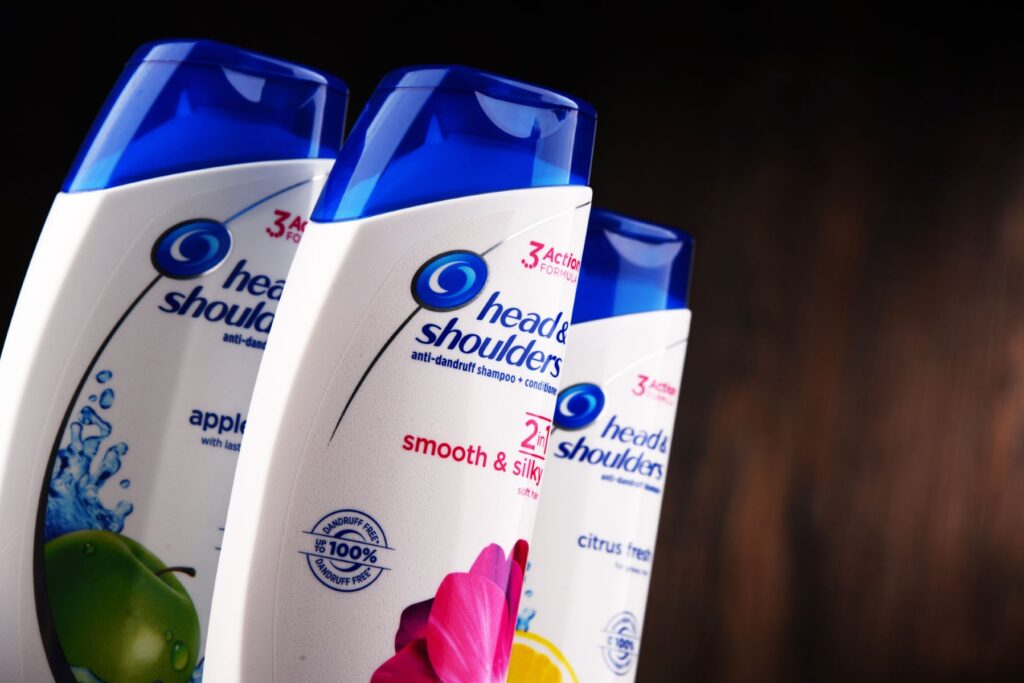
Head & Shoulders is one of the most recognizable shampoo brands on the planet, promising a flake-free scalp to millions. For decades, it has been a staple in showers everywhere. Yet, a persistent question circulates in online forums and beauty blogs: is Head and Shoulders bad for your hair? This debate has created confusion, with some users swearing by its effectiveness while others claim it causes damage, dryness, or even hair loss.
This article will provide a balanced look at Head & Shoulders. We will break down its key ingredients, analyze how it works, and explore its potential effects on different hair types. By separating fact from fiction, we aim to give you the information needed to decide if this popular anti-dandruff shampoo is the right choice for your hair care routine.
Understanding Dandruff and How Head & Shoulders Works
Before we can determine if the product is beneficial or harmful, it’s essential to understand the problem it’s designed to solve: dandruff. Dandruff is a common scalp condition characterized by flaky, itchy skin. The most common cause is the overgrowth of a yeast-like fungus called Malassezia globosa. This fungus is naturally present on most adult scalps, but for some, it can trigger an inflammatory response that leads to the rapid shedding of skin cells—the white flakes we know as dandruff.
Head & Shoulders was formulated specifically to combat this issue. Its primary mechanism of action relies on active ingredients that have antifungal and antimicrobial properties.
The Key Active Ingredients: Pyrithione Zinc and Selenium Sulfide
The classic Head & Shoulders formula contains Pyrithione Zinc. This compound is a powerful antifungal and antibacterial agent. It works by inhibiting the growth of the Malassezia fungus on the scalp. By controlling the fungus population, it helps to reduce inflammation and slow down skin cell turnover, effectively treating the root cause of dandruff. For many people, this ingredient is highly effective at managing flakes and itchiness.
In more intensive formulas, such as the Clinical Strength line, Head & Shoulders uses Selenium Sulfide. This is another potent antifungal agent that works similarly to Pyrithione Zinc but is often considered stronger. It is typically recommended for more severe cases of dandruff or seborrheic dermatitis.
Both of these active ingredients are FDA-approved for the treatment of dandruff and are widely regarded as safe and effective when used as directed.
Deconstructing the “Bad for Your Hair” Claims
With effective active ingredients, why do so many people ask, “is Head and Shoulders bad for your hair?” The concerns usually aren’t about the anti-dandruff agents themselves but rather the other components of the shampoo’s formula, particularly sulfates.
The Role of Sulfates (and Why They Get a Bad Rap)
Most traditional shampoos, including many Head & Shoulders varieties, contain sulfates like Sodium Lauryl Sulfate (SLS) or Sodium Laureth Sulfate (SLES). These are surfactants, which are cleansing agents responsible for creating the rich lather we associate with being “clean.” They are excellent at removing dirt, oil, and product buildup from the hair and scalp.
However, sulfates can be too effective for some people. Their powerful cleansing action can strip the hair and scalp of their natural oils (sebum). This can lead to:
- Dryness and Brittleness: For individuals with already dry, color-treated, or fragile hair, the stripping effect of sulfates can make hair feel like straw and more prone to breakage.
- Scalp Irritation: While the shampoo treats dandruff, some people with sensitive skin might find that sulfates cause dryness, redness, or itching on the scalp.
- Color Fading: For those with color-treated hair, sulfates are known to strip hair color faster than sulfate-free alternatives, leading to premature fading and more frequent salon visits.
- Frizz for Curly Hair: Curly hair is naturally drier than straight hair because scalp oils don’t travel down the hair shaft as easily. Sulfates can exacerbate this dryness, leading to increased frizz and disruption of the natural curl pattern.
So, while sulfates are not inherently “bad,” they can be problematic for certain hair types and conditions. This is often the core reason behind the negative reputation Head & Shoulders has among some users.
Is Head and Shoulders Bad for Your Hair? It Depends on Your Hair Type
A product’s suitability is rarely universal. The answer to whether Head & Shoulders is right for you depends heavily on your specific hair type and concerns.
For Oily Hair and Untreated Hair
If you have an oily scalp and non-color-treated hair, Head & Shoulders can be an excellent choice. The sulfates effectively remove excess oil that can weigh hair down, while the active ingredients tackle any existing dandruff. For this group, the shampoo often leaves hair feeling clean and keeps the scalp healthy and flake-free without noticeable downsides.
For Dry, Damaged, or Brittle Hair
If your hair is naturally dry, damaged from heat styling, or brittle, you should approach Head & Shoulders with caution. The potential drying effect of sulfates could worsen your hair’s condition. If you need to treat dandruff, consider using the shampoo only once or twice a week and alternating with a more moisturizing, sulfate-free shampoo. Always follow up with a deep conditioner to replenish lost moisture.
For Color-Treated Hair
As mentioned, sulfates are the enemy of vibrant hair color. Using a sulfate-based shampoo like Head & Shoulders will likely cause your color to fade much faster. The brand has recognized this and now offers sulfate-free formulas and collections specifically designed for color-treated hair, such as the Supreme Color Protect line. If you have colored hair and dandruff, seeking out one of these specific formulas is a much better option.
For Curly and Coily Hair
Those with curly or coily hair patterns (Type 3 and 4) often follow a “curly girl method” that strictly avoids sulfates, silicones, and drying alcohols. The sulfates in classic Head & Shoulders can be particularly harsh on delicate curls, leading to frizz and dryness. While the brand does offer some sulfate-free options, it’s crucial to read the ingredient list to ensure it aligns with your hair’s specific needs.
The Verdict: Misconception or Valid Concern?
The idea that Head & Shoulders is universally “bad” for hair is largely a misconception. The product is formulated by scientists and dermatologists to be an effective treatment for a medical condition. However, the concerns about it being harsh or drying are valid for a significant portion of the population.
The problem isn’t that the product is faulty; it’s that a single formula isn’t suitable for everyone. A powerful cleansing shampoo designed for an oily, flaky scalp is not going to work well for someone with dry, color-treated, delicate curls.
Fortunately, the beauty industry has evolved. In response to consumer demand, Head & Shoulders has expanded its product line significantly. The brand now offers a wide array of formulas, including:
- Sulfate-free options
- Moisturizing formulas with ingredients like almond oil or coconut oil
- Products specifically for color-treated hair
- 2-in-1 formulas for convenience
This diversification means you can likely find a Head & Shoulders product that targets dandruff without compromising your hair’s other needs.
Frequently Asked Questions (FAQs)
Does Head & Shoulders cause hair loss?
There is no scientific evidence to suggest that Head & Shoulders causes hair loss. The active ingredients, Pyrithione Zinc and Selenium Sulfide, are not linked to hair fall. In fact, by creating a healthier scalp environment and reducing inflammation, treating dandruff can sometimes help reduce the hair shedding associated with the condition. Hair loss concerns are more likely related to hair breakage from dryness if the shampoo is too harsh for your hair type.
Can I use Head & Shoulders every day?
Yes, Head & Shoulders is generally safe for daily use. However, if you have very dry or sensitive hair, you may find that daily use is too stripping. In that case, consider using it 2-3 times per week or alternating with a more gentle, moisturizing shampoo.
Why does my scalp feel itchy after using Head & Shoulders?
While the product is meant to relieve itching caused by dandruff, some individuals may have a sensitivity to sulfates or other ingredients in the formula, leading to dryness and irritation. If this happens, discontinue use and consider switching to a sulfate-free or sensitive scalp formula.
Are there better alternatives to Head & Shoulders?
“Better” is subjective and depends on your needs. There are many other excellent anti-dandruff shampoos on the market. Some use different active ingredients like ketoconazole (found in Nizoral) or coal tar. Others focus on natural ingredients like tea tree oil. If Head & Shoulders doesn’t work for you, exploring these alternatives is a great idea.
Final Words
So, is Head and Shoulders bad for your hair? The answer is not a simple yes or no. For its intended purpose—treating dandruff on a normal to oily scalp—it is a highly effective and safe product. The controversy surrounding it stems primarily from its classic, sulfate-heavy formula, which can be too harsh for those with dry, color-treated, or curly hair.
The key to using Head & Shoulders successfully is to choose the right formula for your hair type. With the brand’s expanded range of products, including moisturizing and sulfate-free options, most people can find a version that manages flakes without sacrificing hair health. Always listen to your hair: if it feels dry, brittle, or your color is fading, it’s time to switch to a gentler formula. By making an informed choice, you can achieve a healthy, flake-free scalp and beautiful hair at the same time.