

TheSpark Shop Kids Clothes for Baby Boy & Girl: Stylish, Comfortable, and Affordable Options for Your Little Ones
November 4, 2025
Decidual Cast: Understanding a Rare but Important Gynecological Condition
January 28, 2026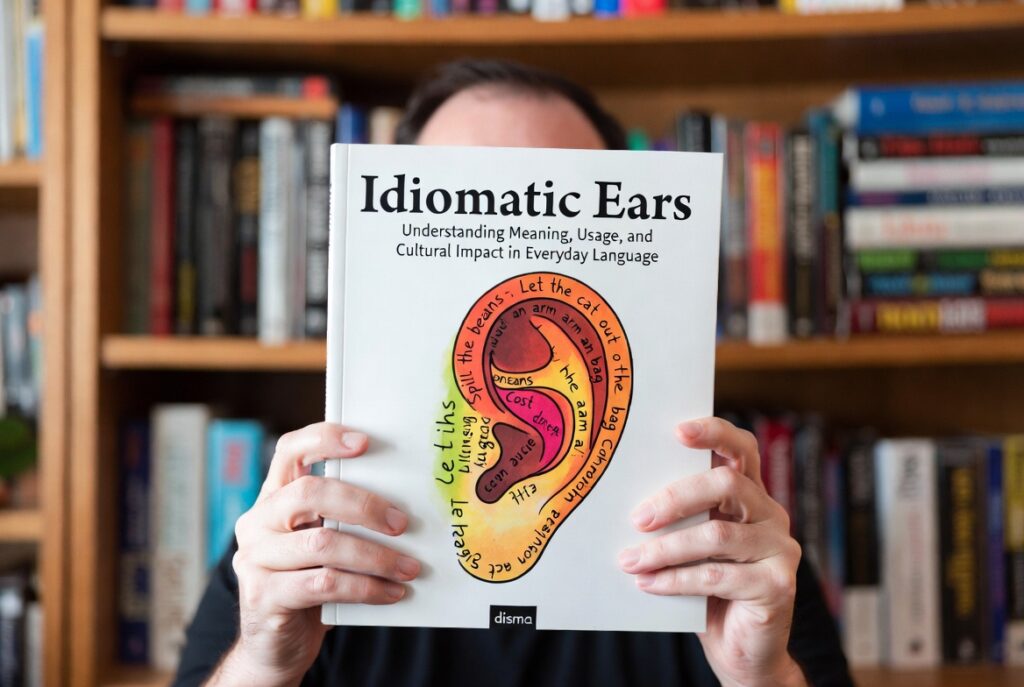
Language is more than a tool for communication. It reflects culture, emotion, history, and shared human experience. Among the many fascinating aspects of language, idioms stand out because they often say far more than their literal words suggest. One lesser-discussed but intriguing concept is idiomatic ears, a term that captures how people listen, interpret, and emotionally respond to idiomatic expressions in daily communication.
Idiomatic ears describe the ability to understand meaning beyond literal words. When someone has idiomatic ears, they do not just hear language; they grasp intention, context, tone, and cultural nuance. This skill plays a major role in conversations, storytelling, humor, and even professional communication. In this article, we explore what idiomatic ears mean, where the idea comes from, how it shapes understanding, and why it matters in modern language use.
What Does Idiomatic Ears Mean?
Idiomatic ears refer to the mental and cultural ability to recognize and correctly interpret idioms when listening or reading. Idioms are expressions whose meanings cannot be understood simply by knowing the individual words. When someone hears an idiom and understands it instantly, it shows that their idiomatic ears are well developed.
For example, a listener with idiomatic ears understands emotional meaning, social intention, and implied context without needing further explanation. This does not happen automatically. It develops over time through exposure, cultural learning, and real-life usage of language.
Idiomatic ears are not about intelligence. They are about familiarity and sensitivity to how language is actually used rather than how it is technically structured.
The Role of Listening in Idiomatic Understanding
Listening is often overlooked in language learning. People focus on vocabulary and grammar but forget that comprehension depends heavily on interpretation. Idiomatic ears develop primarily through listening rather than reading.
When people hear idioms spoken naturally, they also hear tone, rhythm, emphasis, and emotion. These elements help the brain connect phrases with meaning. Over time, repeated exposure trains the listener to recognize patterns, making idioms feel natural instead of confusing.
Idiomatic ears allow listeners to detect whether a phrase is serious, humorous, sarcastic, or emotional. This ability improves conversation flow and prevents misunderstandings, especially in informal or emotional discussions.
Cultural Influence on Idiomatic Ears
Culture plays a powerful role in shaping idiomatic ears. Idioms are deeply rooted in shared experiences, history, and social values. A phrase that makes perfect sense in one culture may sound strange or meaningless in another.
People raised in a particular cultural environment develop idiomatic ears that match that culture’s expressions. When learning a new language or interacting with different communities, those ears must adapt. This is why even fluent speakers sometimes struggle with idioms. They know the words but lack the cultural background that gives them meaning.
Idiomatic ears grow stronger when people engage with stories, conversations, films, and real interactions rather than relying only on textbooks.
Why Idiomatic Ears Matter in Everyday Communication
Misunderstanding idioms can lead to confusion, embarrassment, or misinterpretation of intent. Idiomatic ears help prevent these issues by allowing listeners to understand what speakers actually mean.
In daily life, idioms are everywhere. They appear in casual chats, workplace discussions, jokes, and emotional conversations. Someone with strong idiomatic ears can follow conversations smoothly without needing frequent clarification.
This skill also improves empathy. Understanding idiomatic language often means understanding emotion. Many idioms express feelings indirectly. Idiomatic ears help listeners connect with those feelings and respond appropriately.
Idiomatic Ears in Professional and Social Settings
In professional environments, idiomatic ears can influence trust and clarity. Meetings, presentations, and negotiations often include idiomatic expressions that soften messages or add emphasis. A listener who misses these cues may misunderstand tone or intention.
In social settings, idiomatic ears help people bond. Shared understanding of expressions creates a sense of belonging. Humor, in particular, relies heavily on idiomatic language. Without idiomatic ears, jokes may fall flat or feel confusing.
People with strong idiomatic ears tend to adapt easily to different social groups because they can interpret subtle language changes quickly.
Developing Idiomatic Ears Over Time
Idiomatic ears are not something people are born with. They develop gradually through experience. Exposure is the most important factor. Listening to real conversations, watching shows, and engaging with native speakers helps the brain connect expressions with meaning.
Context is equally important. Idioms make sense when heard in real situations rather than isolated lists. When people hear how expressions are used emotionally and socially, understanding becomes intuitive.
Patience also matters. Idiomatic ears sharpen slowly, often without conscious effort. Over time, expressions that once felt confusing begin to feel natural.
Idiomatic Ears and Storytelling
Storytelling relies heavily on idiomatic language. Writers and speakers use idioms to add depth, emotion, and relatability. Idiomatic ears allow audiences to appreciate these layers without stopping to analyze meaning.
Stories become more engaging when listeners understand implied messages. Idiomatic ears help audiences connect with characters, sense mood shifts, and follow emotional arcs naturally.
This is why storytelling feels different when translated word for word. Without shared idiomatic understanding, emotional impact can be lost.
Common Challenges Related to Idiomatic Ears
One common challenge is taking idioms too literally. This often happens when idiomatic ears are not fully developed. Literal interpretation can lead to confusion or incorrect assumptions.
Another challenge is regional variation. Even within the same language, idioms differ across regions. Idiomatic ears must adjust to accents, slang, and local expressions.
Overconfidence can also be a problem. Assuming understanding without verifying context may lead to miscommunication. Strong idiomatic ears include awareness of uncertainty and openness to clarification.
Idiomatic Ears in a Globalized World
As communication becomes more global, idiomatic ears are more important than ever. People interact across cultures daily through work, media, and online platforms. Understanding idiomatic language helps reduce misunderstandings and build stronger connections.
Global communication often requires flexible idiomatic ears that can adapt to mixed language styles. People may blend formal language with idioms, creating hybrid expressions. Being able to interpret these naturally is a valuable skill.
Idiomatic ears also promote respectful communication by helping listeners recognize cultural sensitivity and emotional nuance.
FAQs About Idiomatic Ears
What are idiomatic ears in simple terms?
Idiomatic ears are the ability to understand idioms naturally without translating them word by word. They help people grasp real meaning, emotion, and intention in conversations.
Can idiomatic ears be learned?
Yes, idiomatic ears develop through exposure, listening, and real-life language use. They improve over time with consistent interaction and experience.
Why do some people struggle with idioms?
People often struggle with idioms due to lack of cultural context or limited exposure. Knowing vocabulary alone is not enough to develop idiomatic ears.
Are idiomatic ears important for fluent communication?
Idiomatic ears are essential for natural communication. They allow smoother conversations, better emotional understanding, and fewer misunderstandings.
Do native speakers always have strong idiomatic ears?
Most native speakers develop strong idiomatic ears naturally, but even they may struggle with regional or unfamiliar expressions.
Conclusion: Why Idiomatic Ears Shape Meaningful Communication
Idiomatic ears are a powerful yet often unnoticed aspect of language understanding. They allow people to move beyond literal words and connect with deeper meaning, emotion, and culture. Whether in daily conversations, professional settings, or storytelling, idiomatic ears make communication smoother and more human.
As language continues to evolve and global interactions increase, developing idiomatic ears becomes even more valuable. They help listeners adapt, empathize, and truly understand what is being said. In the end, idiomatic ears are not just about language. They are about connection, awareness, and shared human experience.