
Can Dogs Eat Strawberries? A Complete Guide for Pet Owners
January 29, 2026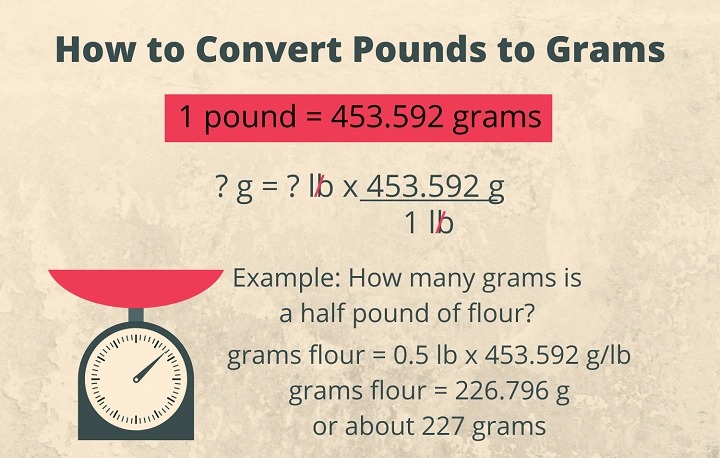
Understanding weight measurements can feel confusing, especially when different systems are used around the world. One of the most common questions people ask is how many grams in a pound. This question comes up in everyday life more often than you might expect, whether you are cooking from an international recipe, shopping online, studying science, or working with fitness or nutrition data.
This article explains the pound-to-gram conversion in a clear and simple way. It explores where these units come from, why the conversion matters, how to use it in real-life situations, and how to avoid common mistakes. By the end, you will feel confident answering the question how many grams in a pound and applying it accurately whenever you need it.
Understanding Weight Measurement Systems
To fully understand how many grams in a pound, it helps to know why these units exist in the first place. Weight and mass measurements developed differently across regions and cultures. Over time, two main systems became widely used.
The metric system is used by most countries around the world. It is based on units of ten, which makes conversions simple and consistent. Grams and kilograms are part of this system and are commonly used in science, education, medicine, and everyday life.
The imperial system, also known as the customary system, is mainly used in the United States and a few other places. Pounds and ounces belong to this system. Because these systems developed independently, converting between them requires a fixed and agreed-upon value.
How Many Grams in a Pound Exactly?
The exact answer to how many grams in a pound is that one pound equals 453.59237 grams. This value is internationally standardized and used in scientific, commercial, and educational contexts.
In everyday use, many people round this number to 454 grams for simplicity. While rounding is fine for casual cooking or general estimates, the exact figure is important in fields such as science, medicine, shipping, and engineering where precision matters.
Knowing both the exact and rounded values helps you choose the right level of accuracy for your situation.
Why the Pound-to-Gram Conversion Matters
The question how many grams in a pound is not just academic. It plays a role in many real-world scenarios. Recipes written in different countries often use different measurement systems, making conversion necessary to achieve the correct result.
In online shopping, especially when ordering food, supplements, or raw materials, weights may be listed in pounds or grams depending on the seller’s location. Understanding the conversion ensures you know exactly how much you are buying.
Fitness and nutrition also rely heavily on accurate measurements. Protein intake, food portions, and body weight tracking often involve grams, while body weight scales may show pounds. Converting correctly helps maintain consistency and accuracy.
A Brief History of the Pound
The pound has a long and complex history. Its name comes from the Latin word “libra,” which is why the abbreviation for pound is lb. Historically, the pound varied in size depending on region and time period.
Over centuries, different versions of the pound were used for trade and commerce. Eventually, international agreements standardized the modern pound to ensure consistency across borders. This standardization is what allows us to confidently state how many grams in a pound today.
Understanding this background helps explain why the conversion number is not a simple whole number and why precision matters.
A Brief History of the Gram
The gram comes from the metric system, which was developed to create a universal and logical way to measure the world. The metric system is based on natural constants and powers of ten, making it easy to learn and apply.
Originally, the gram was defined in relation to water. Over time, scientific advancements refined its definition for greater accuracy. Today, the gram is widely used in science, medicine, and daily life due to its simplicity and precision.
Because the gram is part of a decimal system, it works very smoothly with calculations, which is one reason it is preferred globally.
How to Convert Pounds to Grams Easily
Once you know how many grams in a pound, conversion becomes straightforward. To convert pounds to grams, you multiply the number of pounds by 453.59237.
For example, if an item weighs two pounds, multiplying by the conversion factor gives you just over 907 grams. For rough estimates, using 454 grams per pound is usually sufficient and much easier to calculate mentally.
The key is to decide whether you need exact precision or a quick approximation. Both have their place depending on the situation.
Common Situations Where This Conversion Is Used
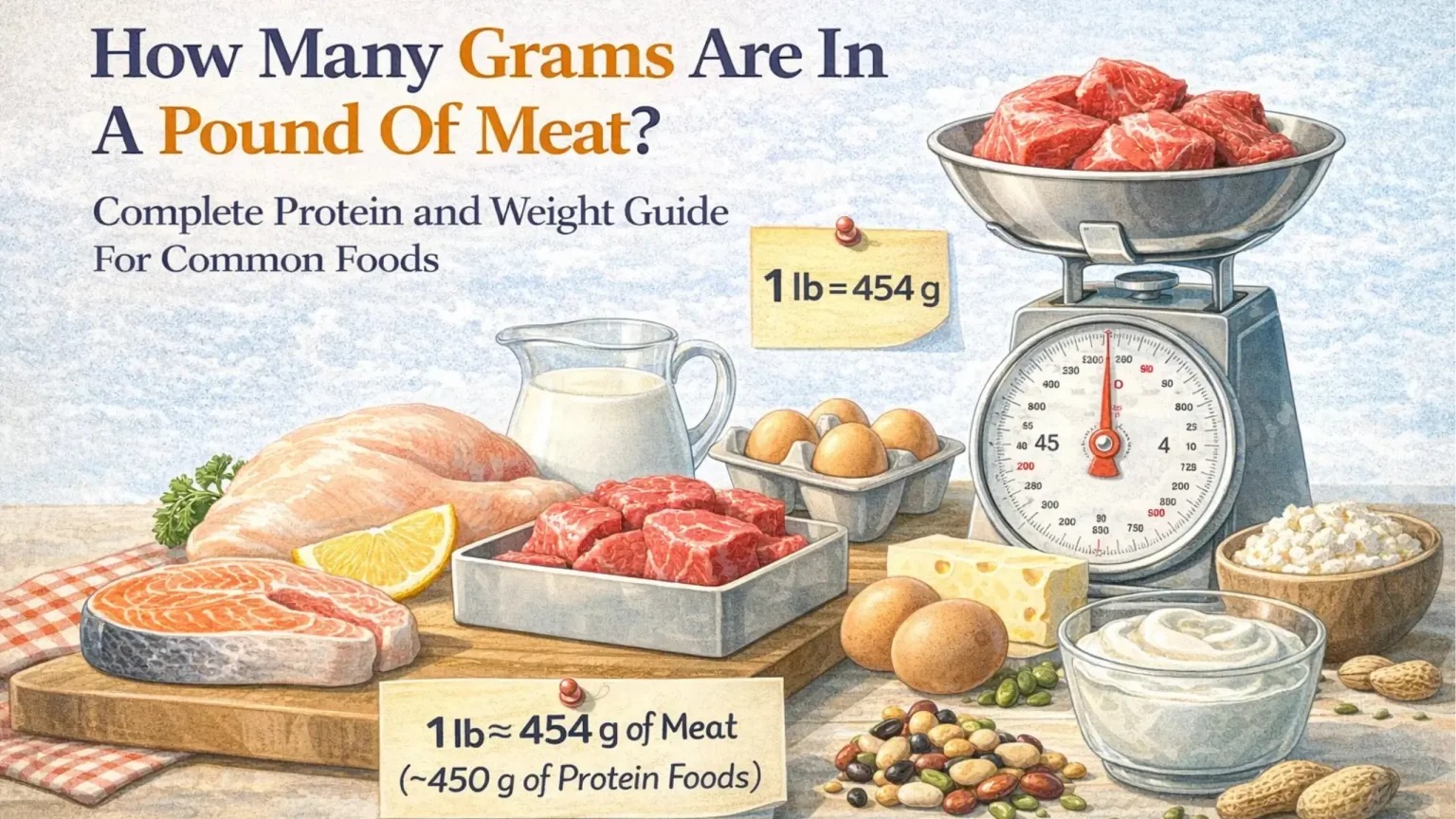
Cooking is one of the most common reasons people search for how many grams in a pound. International recipes may list flour, sugar, or meat in pounds, while kitchen scales often measure grams.
In education, students frequently encounter unit conversion problems in math and science classes. Understanding the relationship between pounds and grams helps build confidence and accuracy in problem-solving.
Shipping and logistics also rely on this conversion. Packages may have weight limits listed in pounds, while shipping labels or documentation require grams. Accurate conversion prevents errors, delays, or additional fees.
Differences Between Weight and Mass
People often use weight and mass interchangeably, but they are technically different. Mass refers to the amount of matter in an object, while weight depends on gravity. In everyday life on Earth, the difference is usually negligible.
Both pounds and grams are commonly used as units of mass, even though pound is sometimes considered a unit of force in scientific contexts. For practical purposes, when asking how many grams in a pound, people are referring to mass measurement.
Understanding this distinction is helpful but not necessary for everyday conversions.
Avoiding Common Conversion Mistakes
One common mistake is confusing pounds with ounces. There are sixteen ounces in a pound, and this sometimes leads people to apply incorrect conversion factors.
Another mistake is rounding too aggressively when precision is required. While rounding is acceptable for cooking, it can cause problems in scientific or medical settings.
Finally, some people confuse pounds with kilograms. A kilogram is much larger than a pound, and mixing them up can lead to major errors. Remembering that a pound is a little less than half a kilogram can help keep things straight.
Mental Shortcuts for Everyday Use
If you do not need extreme accuracy, there are mental shortcuts that make life easier. Remembering that one pound is about 454 grams allows quick estimates without a calculator.
You can also remember that two pounds are just under one kilogram. This rough comparison helps when visualizing weights or making quick decisions while shopping or cooking.
These shortcuts are especially useful when traveling or dealing with mixed measurement systems.
How Many Grams in a Pound in Scientific Contexts
In science, accuracy is critical. Laboratories use the exact value of 453.59237 grams per pound to ensure consistency across experiments and publications.
This precision allows researchers from different countries to share data and replicate results reliably. It also highlights why standardized units are so important in global collaboration.
While everyday users may not need this level of detail, it shows how deeply this conversion is embedded in professional work.
FAQs About How Many Grams in a Pound
How many grams in a pound exactly?
There are exactly 453.59237 grams in a pound. This value is internationally standardized and used in scientific and commercial settings.
Is it okay to round grams when converting from pounds?
Rounding is fine for casual use like cooking or estimating weight. For precise applications such as medicine or science, the exact number should be used.
Why does a pound not equal a whole number of grams?
The pound and the gram come from different measurement systems developed independently. The conversion reflects historical definitions rather than a simple mathematical relationship.
How many grams in a pound for cooking purposes?
For cooking, most people use 454 grams as a practical approximation. This small difference rarely affects recipes in a noticeable way.
Are pounds still used worldwide?
Pounds are mainly used in the United States and a few other regions. Most of the world uses grams and kilograms as part of the metric system.
Conclusion: Understanding How Many Grams in a Pound
Knowing how many grams in a pound is a small piece of knowledge that has a surprisingly large impact. From cooking and shopping to education and professional work, this simple conversion helps bridge the gap between different measurement systems.
One pound equals 453.59237 grams, a value that provides accuracy and consistency across the world. Whether you choose to use the exact number or a rounded estimate, understanding the relationship between pounds and grams gives you confidence and clarity in everyday situations.
By learning the history, purpose, and practical use of this conversion, you can navigate measurements with ease and avoid common mistakes. The next time you encounter a weight listed in pounds or grams, you will know exactly how to translate it and why it matters.