
Idiomatic Ears: Understanding Meaning, Usage, and Cultural Impact in Everyday Language
January 28, 2026
Can Dogs Eat Strawberries? A Complete Guide for Pet Owners
January 29, 2026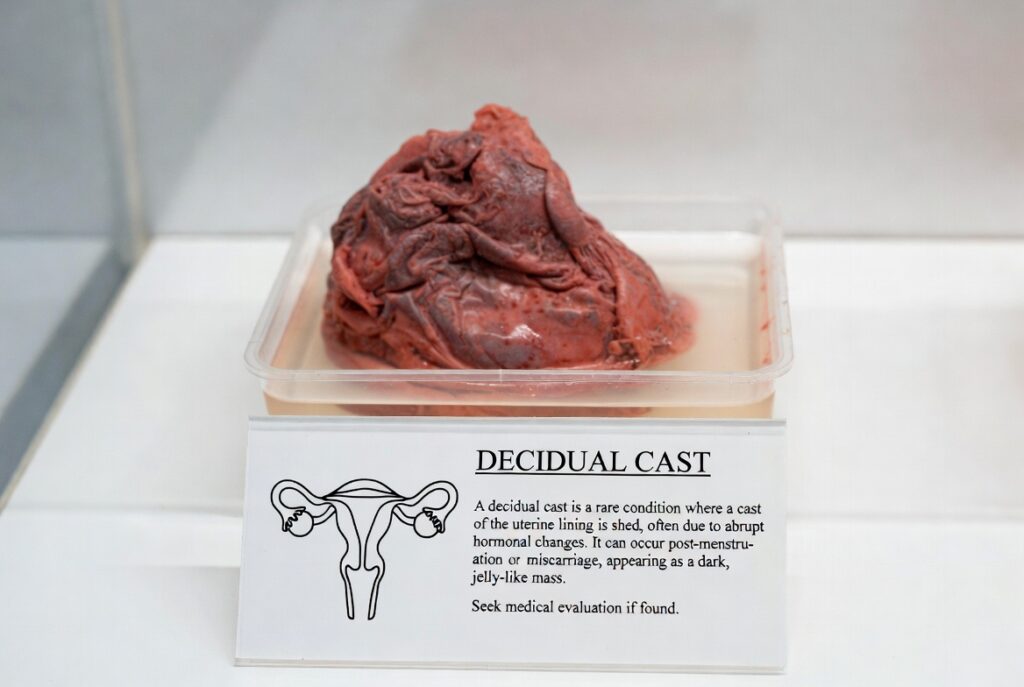
The human body sometimes reacts in unexpected ways, and certain medical conditions can be surprising, confusing, or even alarming when first encountered. One such condition is the decidual cast. Although rare, it has gained attention because of how suddenly it can occur and the concern it often causes among those who experience it. Many people encounter the term for the first time only after a personal experience, which makes clear and reliable information especially important.
This article explores the decidual cast in a calm, factual, and easy-to-understand way. It explains what it is, why it happens, how it is connected to hormones, and when medical advice should be considered. The goal is to help readers feel informed rather than frightened, while offering clarity about a topic that is not often discussed openly.
What Is a Decidual Cast?
A decidual cast refers to a rare event in which the lining of the uterus is shed in one complete piece rather than gradually over time. This lining, known medically as the decidua, normally breaks down and exits the body slowly during a menstrual cycle. In rare cases, however, it separates all at once and maintains the shape of the uterine cavity.
The term may sound intimidating, but it is important to understand that a decidual cast is not a disease on its own. It is considered a medical phenomenon that can occur under specific hormonal conditions. Many people who experience it recover fully without long-term complications.
Why the Uterine Lining Normally Sheds Gradually
To understand the decidual cast, it helps to first understand how the menstrual cycle typically works. Each month, the uterus prepares for a possible pregnancy by thickening its lining. If pregnancy does not occur, hormone levels shift, and the lining sheds gradually as menstrual bleeding.
This gradual process allows the lining to break down into smaller pieces that pass over several days. Hormonal balance plays a key role in ensuring that this shedding happens smoothly and without sudden changes.
How Hormonal Changes Can Lead to a Decidual Cast
The most widely accepted explanation for a decidual cast involves hormonal influence, particularly progesterone. Progesterone helps maintain the uterine lining during early pregnancy or when hormonal contraception is used. When progesterone levels rise significantly and then drop suddenly, the lining may detach all at once instead of breaking down slowly.
This hormonal shift can happen for several reasons, including the use or discontinuation of certain birth control methods. In these cases, the uterus responds to the rapid hormonal change by releasing the lining in a single piece, leading to a decidual cast.
Common Situations Linked to a Decidual Cast
Although a decidual cast is rare, it has been associated with specific situations. Hormonal contraceptives are often mentioned in medical discussions, especially those containing progesterone or progesterone-like substances. Emergency contraception and some long-acting hormonal methods have also been noted in case reports.
It is important to emphasize that most people who use hormonal contraception will never experience a decidual cast. The condition remains uncommon, even among those exposed to the same hormonal factors.
Symptoms That May Accompany a Decidual Cast
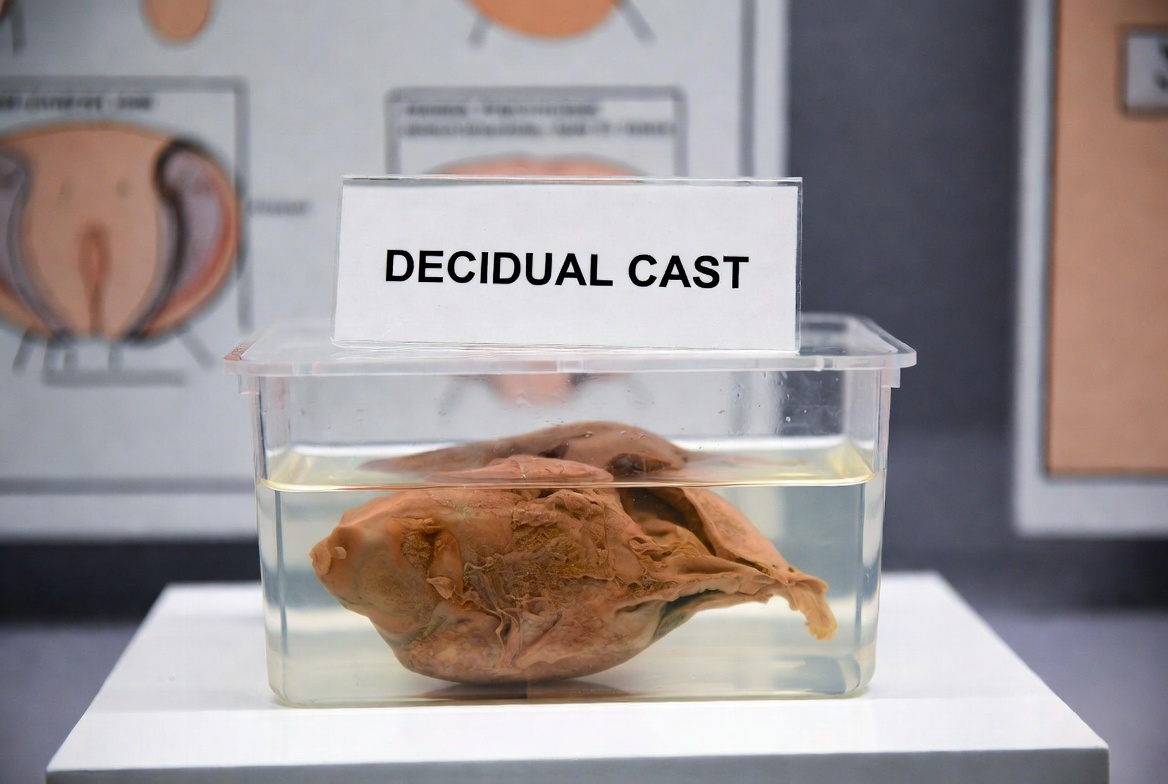
The experience of a decidual cast can vary from person to person. Some individuals notice symptoms before it occurs, while others may be caught completely off guard. Discomfort or cramping may be present, similar to menstrual cramps, due to the uterus contracting.
Bleeding may also occur, but the amount and duration differ widely. Because symptoms can resemble other gynecological issues, many people seek medical advice to understand what is happening and to rule out other conditions.
Emotional Impact and Initial Reactions
Encountering a decidual cast can be emotionally distressing, especially when someone is not familiar with the term. Fear and confusion are common reactions, particularly when the event is unexpected. These emotions are completely understandable.
Clear information and reassurance from healthcare professionals often help reduce anxiety. Knowing that the condition is usually temporary and not life-threatening can make a significant difference in how the experience is processed emotionally.
How a Decidual Cast Is Diagnosed
Diagnosis is often based on medical history and a description of what occurred. In many cases, a healthcare provider can identify a decidual cast through discussion alone, especially if there is a recent history of hormonal changes.
Additional examinations may be done to rule out other possibilities, depending on the situation. The focus is typically on ensuring that there are no underlying complications rather than on the decidual cast itself.
Is a Decidual Cast Dangerous?
One of the most common concerns is whether a decidual cast poses a serious health risk. In most documented cases, it does not. The condition is generally considered self-limiting, meaning it resolves on its own without ongoing problems.
However, because symptoms can overlap with other conditions that do require medical attention, it is always wise to consult a healthcare professional if there is uncertainty. This ensures both physical safety and peace of mind.
Recovery and What to Expect Afterward
After a decidual cast occurs, the body typically returns to its normal menstrual pattern. Hormone levels stabilize, and the uterine lining resumes its usual cycle of thickening and shedding. Many people do not experience a repeat event.
There is no specific treatment required for the decidual cast itself. Care focuses on comfort, monitoring symptoms, and addressing any underlying hormonal factors if necessary.
Can a Decidual Cast Happen More Than Once?
Recurrence is uncommon, but it is not impossible. Whether it happens again often depends on whether the same hormonal conditions occur in the future. Adjustments to hormonal medications may reduce the likelihood of recurrence, though this decision should always be guided by a healthcare professional.
Understanding the connection between hormones and the uterine lining can help individuals make informed choices about their reproductive health moving forward.
When to Seek Medical Advice
While a decidual cast is usually not dangerous, medical guidance is recommended whenever symptoms feel severe, unusual, or concerning. Ongoing pain, excessive bleeding, or uncertainty about what is happening should never be ignored.
Seeking advice does not mean something is wrong. It simply ensures that any potential issues are addressed early and appropriately.
FAQs About Decidual Cast
What exactly causes a decidual cast?
The most commonly accepted cause involves sudden changes in progesterone levels, often linked to hormonal contraception or abrupt hormonal shifts within the body.
Is a decidual cast the same as a miscarriage?
No, a decidual cast is not the same as a miscarriage. While the experiences may seem similar, they are medically distinct, and a decidual cast can occur without pregnancy.
Can teenagers experience a decidual cast?
Although rare, a decidual cast can occur in menstruating individuals of different ages, especially if hormonal factors are present. Medical guidance is recommended for proper evaluation.
Does having a decidual cast affect future fertility?
There is no reliable evidence to suggest that a decidual cast affects long-term fertility. Most people go on to have normal menstrual cycles afterward.
Should hormonal birth control be stopped after a decidual cast?
Decisions about continuing or changing birth control should always be made with a healthcare provider. In many cases, adjustments may be suggested, but stopping medication without guidance is not recommended.
Conclusion: Gaining Clarity and Confidence About Decidual Cast
A decidual cast is a rare but real gynecological event that can be unsettling when first experienced. Understanding what it is, why it happens, and what it means for overall health helps replace fear with knowledge. While hormonal changes are the most likely trigger, the condition itself is usually temporary and manageable.
Open discussion, accurate information, and professional guidance play key roles in ensuring both physical and emotional well-being. By learning about the decidual cast in a clear and balanced way, individuals can feel more confident in navigating their health and seeking help when needed.