

Chimichurri Recipe: A Fresh, Flavor-Packed Sauce for Every Kitchen
February 1, 2026
Australian Shepherd: A Complete Guide to Temperament, Care, and Lifestyle
February 1, 2026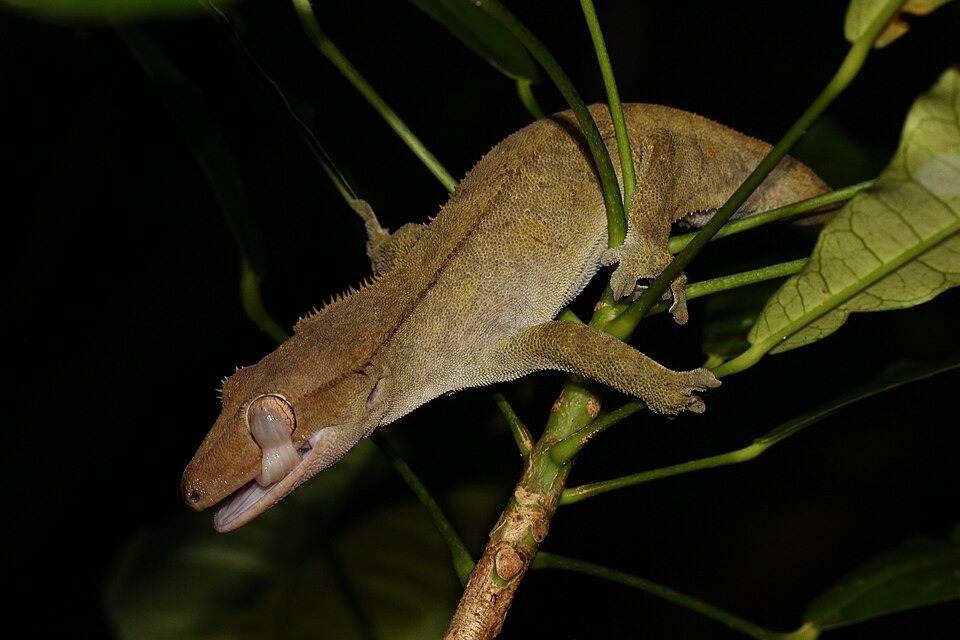
The crested gecko has become one of the most popular pet reptiles in the world, and for good reason. With its expressive eyes, gentle personality, and relatively simple care needs, this small arboreal lizard is an excellent choice for both beginners and experienced reptile keepers. Once thought to be extinct, the crested gecko made a remarkable comeback and is now widely bred in captivity, making it accessible and well-suited to life in a home environment.
This in-depth guide explores the crested gecko from every angle, including its natural background, behavior, habitat needs, diet, handling, and long-term care. Whether you are considering your first crested gecko or looking to deepen your understanding of one you already own, this article will help you provide a healthy and enriching life for this unique reptile.
Understanding the Crested Gecko
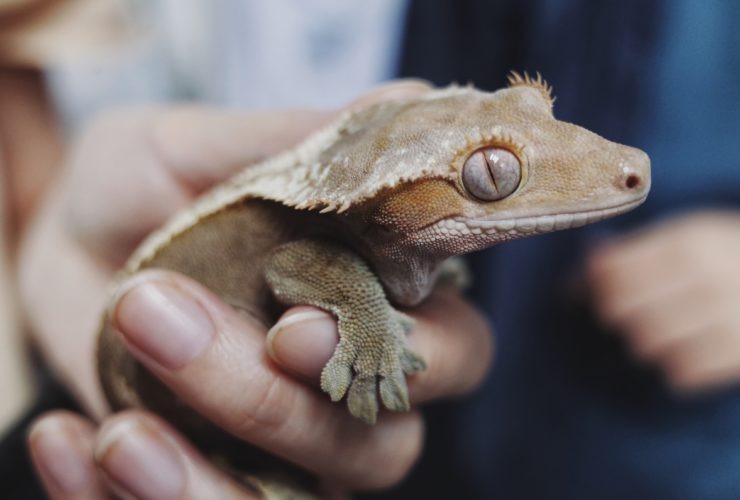
The crested gecko is a tree-dwelling lizard native to New Caledonia, a group of islands in the South Pacific. It is known for the distinctive ridges that run from above its eyes down to its tail, giving it a “crested” appearance. These geckos are typically calm and adaptable, which is one of the main reasons they thrive in captivity.
Unlike many reptiles, the crested gecko does not require intense heat or specialized lighting to survive. Its adaptability and tolerance for a range of conditions make it an appealing pet for people who want a reptile without overly complex care requirements.
Natural Behavior and Personality
The crested gecko is primarily nocturnal, meaning it becomes most active in the evening and at night. During the day, it prefers to rest among leaves or hide in sheltered areas. At night, it explores its environment, climbs surfaces, and searches for food.
In terms of temperament, the crested gecko is generally gentle and non-aggressive. While it may be shy at first, regular calm interaction helps it become more comfortable over time. Each gecko has its own personality, with some being more curious and others more reserved. Understanding and respecting these traits helps build trust between the gecko and its keeper.
Choosing the Right Habitat
A proper enclosure is essential for a healthy crested gecko. Because this species is arboreal, vertical space is more important than floor space. A tall enclosure allows the gecko to climb and explore, mimicking its natural environment.
The enclosure should include branches, vines, and foliage to provide climbing opportunities and hiding places. Artificial plants are commonly used and are easy to clean, while live plants can add humidity and visual appeal. Ventilation is also important to prevent stagnant air while maintaining a comfortable environment.
Temperature and Humidity Needs
One of the advantages of keeping a crested gecko is its moderate temperature requirement. It thrives at room temperature and does not need intense heat sources. Maintaining a stable, mild temperature helps prevent stress and supports normal activity.
Humidity plays a crucial role in crested gecko health. Regular misting helps maintain moisture levels and allows the gecko to drink droplets from leaves and surfaces. Proper humidity also supports healthy shedding and skin condition, which are essential for long-term well-being.
Feeding a Crested Gecko
The diet of a crested gecko is one of the simplest among pet reptiles. In captivity, it thrives on specially formulated crested gecko diets that provide balanced nutrition. These powdered foods are mixed with water to create a smooth consistency and are designed to meet all essential dietary needs.
In addition to prepared diets, crested geckos may occasionally enjoy insects as enrichment. Feeding should be done in moderation to avoid imbalance. Fresh water should always be available, even though many geckos prefer to drink from misted surfaces.
Growth and Life Stages
A crested gecko grows steadily from hatchling to adult over the course of several years. During this time, its nutritional needs and activity levels may change. Juveniles tend to be more active and may eat more frequently, while adults settle into a consistent routine.
With proper care, a crested gecko can live for many years. Longevity depends on factors such as diet, habitat quality, and stress levels. Providing consistent care from an early age lays the foundation for a long and healthy life.
Handling and Interaction
Handling a crested gecko should always be done gently and with patience. These geckos can jump, so calm movements and close proximity to a surface are important. Over time, regular handling sessions help the gecko become accustomed to human interaction.
It is important to read the gecko’s behavior during handling. Signs of stress include rapid movements or attempts to escape. Allowing the gecko to move at its own pace builds trust and reduces anxiety.
Common Health Considerations
A healthy crested gecko is alert, active during its normal hours, and maintains a good appetite. Changes in behavior, appetite, or appearance may indicate an issue. Proper habitat conditions and a balanced diet are the most effective ways to prevent health problems.
Shedding issues can occur if humidity levels are too low. Ensuring consistent misting and access to moist surfaces helps the gecko shed smoothly. Observing your crested gecko regularly allows you to notice changes early and respond appropriately.
Creating an Enriching Environment
Enrichment is an often-overlooked aspect of crested gecko care. Rearranging branches, adding new climbing structures, or introducing safe décor changes encourages exploration and mental stimulation.
An enriched environment helps reduce boredom and supports natural behaviors. Even small adjustments can make a significant difference in how active and engaged a crested gecko feels in its enclosure.
Myths and Misunderstandings
There are many misconceptions about the crested gecko, including the belief that it requires complex care or constant heat. In reality, this species is known for its adaptability and resilience when basic needs are met.
Another misunderstanding is that crested geckos do not need interaction. While they are not social in the same way mammals are, regular gentle handling and observation contribute to a calmer and more confident pet.
FAQs About Crested Gecko Care
Is a crested gecko good for beginners?
Yes, the crested gecko is widely considered beginner-friendly due to its manageable care requirements and calm temperament.
How often should a crested gecko be fed?
Feeding schedules vary by age, but most crested geckos thrive with regular access to a balanced diet offered several times per week.
Do crested geckos need special lighting?
Crested geckos do not require intense lighting. A natural day and night cycle using ambient room light is usually sufficient.
Can a crested gecko live alone?
Yes, a crested gecko can live comfortably on its own. Solitary housing helps prevent stress and territorial behavior.
How long does a crested gecko live?
With proper care, a crested gecko can live for many years, making it a long-term commitment and companion.
Conclusion
The crested gecko is a remarkable reptile that combines beauty, personality, and ease of care in a way few other pets can. Its calm nature, manageable habitat needs, and simple diet make it an ideal choice for anyone interested in reptile keeping. By understanding its natural behavior and providing a well-designed environment, you can ensure your crested gecko thrives in captivity.
Caring for a crested gecko is not just about meeting basic needs but about creating a space where it feels secure, stimulated, and healthy. With patience, observation, and consistency, this unique lizard can become a rewarding and fascinating companion for years to come.