

How Many Grams in a Pound? A Complete Guide to Weight Conversion
January 29, 2026
Crested Gecko Care Guide: Everything You Need to Know About This Fascinating Pet Reptile
February 1, 2026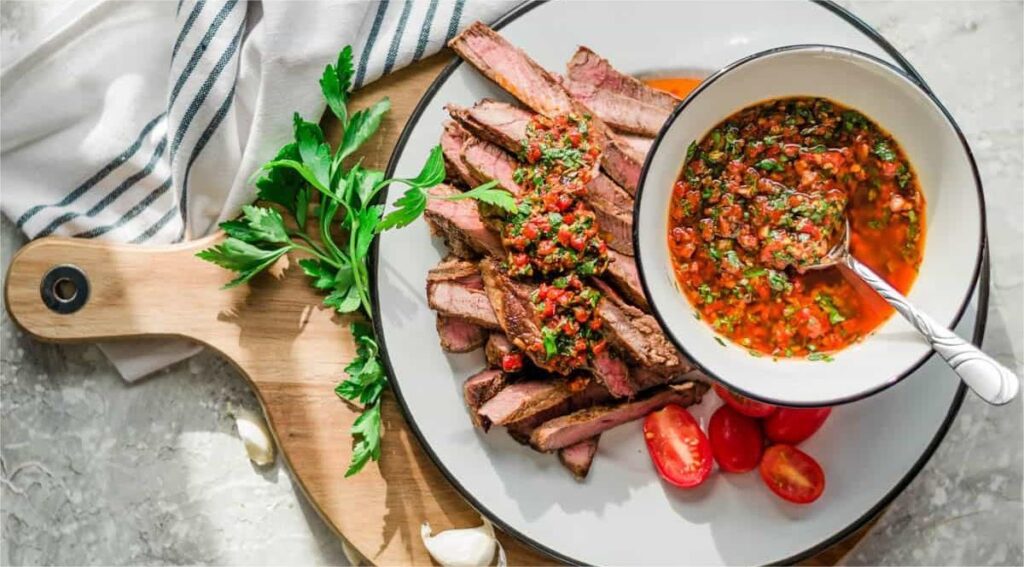
A great chimichurri recipe has a way of transforming even the simplest meal into something unforgettable. Bright green, full of fresh herbs, and balanced with garlic, vinegar, and olive oil, chimichurri is a sauce that delivers bold flavor without complexity. It is loved for its freshness, its versatility, and the way it complements everything from grilled meats to roasted vegetables.
In this long-form guide, you will discover not just how to prepare a classic chimichurri recipe, but also the story behind it, the role of each ingredient, common variations, and the best ways to use it in everyday cooking. Whether you are making chimichurri for the first time or looking to refine your technique, this article will help you master a sauce that deserves a permanent place in your kitchen.
What Is Chimichurri?
Chimichurri is a herb-based sauce traditionally associated with South American cooking, especially in Argentina and Uruguay. It is known for its vibrant green color and fresh, tangy taste. Unlike heavy sauces that rely on butter or cream, chimichurri is light and refreshing, built around parsley, garlic, oil, and vinegar.
What makes a chimichurri recipe special is its balance. The herbs bring freshness, the garlic adds sharpness, the vinegar provides acidity, and the oil ties everything together into a smooth, spoonable sauce. It is typically served uncooked, which allows the natural flavors to shine without being dulled by heat.
Why This Chimichurri Recipe Works
A good chimichurri recipe is not about exact measurements as much as it is about harmony. The ingredients are simple, but the way they come together creates depth and complexity. This recipe works because it respects the freshness of the herbs while allowing enough time for the flavors to blend.
Another reason this chimichurri recipe stands out is its flexibility. You can adjust the acidity, the garlic level, or the thickness based on personal taste. It remains reliable whether you are serving it with grilled steak, chicken, fish, or even spooned over bread or eggs.
Ingredients That Define Chimichurri
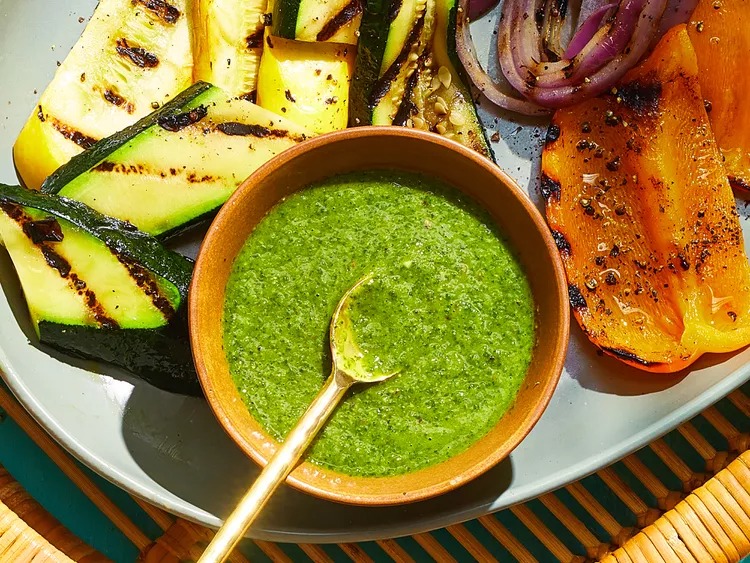
The foundation of a traditional chimichurri recipe begins with fresh parsley. Flat-leaf parsley is preferred because it has a cleaner, more pronounced flavor than curly varieties. Garlic is essential, giving the sauce its bold character, while olive oil provides richness and a smooth mouthfeel.
Vinegar plays a crucial role by adding brightness. Red wine vinegar is commonly used, though other mild vinegars can work as well. Dried oregano adds a subtle earthy note, and red chili flakes bring gentle heat without overpowering the herbs. Salt ties everything together and enhances each ingredient.
These ingredients are not meant to compete with one another. Instead, they work in balance, creating a sauce that is lively, aromatic, and satisfying.
Step-by-Step Preparation Without Complexity
Making a chimichurri recipe at home is refreshingly straightforward. Fresh parsley is finely chopped until it becomes fluffy and fragrant. Garlic is minced until it releases its aroma, then combined with the herbs.
Olive oil and vinegar are added slowly, allowing the mixture to loosen and become saucy rather than oily. Dried oregano and chili flakes are stirred in gently, followed by salt to taste. The result should be spoonable, vibrant, and slightly rustic in texture.
Once mixed, the sauce benefits from resting. Allowing it to sit for at least twenty minutes gives the flavors time to meld. The garlic softens, the herbs infuse the oil, and the sauce becomes more cohesive.
Texture and Flavor Balance
A well-made chimichurri recipe should never feel heavy. The texture should be loose enough to drizzle, yet thick enough to cling to food. If it feels too thick, a small splash of oil or vinegar can loosen it. If it feels too thin, adding more chopped herbs restores balance.
Flavor-wise, chimichurri should taste fresh first, tangy second, and garlicky without being harsh. The chili heat should be subtle, warming the palate rather than dominating it. Achieving this balance is what turns a basic mixture into a memorable sauce.
Popular Variations of Chimichurri
While the classic green chimichurri recipe remains the most popular, variations exist that adapt the sauce to different tastes and dishes. Some versions include cilantro alongside parsley for a slightly citrusy note. Others add shallots instead of garlic for a milder sweetness.
Red chimichurri is another well-known variation, made by adding paprika, tomato, or roasted red peppers. This version is deeper in flavor and pairs especially well with grilled meats and roasted vegetables.
These variations stay true to the spirit of chimichurri while allowing creativity. The key is to maintain freshness and balance, regardless of the ingredients used.
Best Ways to Use Chimichurri
One of the reasons a chimichurri recipe is so popular is its versatility. Traditionally, it is served with grilled beef, where its acidity cuts through richness and enhances smoky flavors. It works equally well with chicken, lamb, and fish, adding brightness without masking the natural taste of the protein.
Beyond meat, chimichurri shines with vegetables. Drizzled over roasted potatoes, grilled zucchini, or charred mushrooms, it brings life to plant-based dishes. It can also be used as a marinade, a finishing sauce, or even a spread for sandwiches and wraps.
Storage and Freshness Tips
Chimichurri is best enjoyed fresh, but it can be stored for later use. When kept in an airtight container in the refrigerator, it stays flavorful for several days. The oil may solidify slightly when cold, but returning it to room temperature restores its texture.
To maintain freshness, avoid adding extra salt until just before serving. This prevents the herbs from breaking down too quickly and keeps the sauce vibrant and green.
Common Mistakes to Avoid
One common mistake in making a chimichurri recipe is overprocessing the herbs. Using a blender can turn the sauce into a paste, losing its rustic charm. Hand chopping preserves texture and keeps the flavors distinct.
Another mistake is using dried herbs instead of fresh ones. While dried oregano is traditional, dried parsley lacks the brightness needed for this sauce. Fresh ingredients are essential for achieving the signature flavor.
Chimichurri in Everyday Cooking
Incorporating a chimichurri recipe into daily meals is easier than it seems. It can elevate simple weeknight dinners, making grilled chicken or pan-seared vegetables feel special. Keeping a small batch on hand encourages creativity and reduces the need for heavy sauces or dressings.
Because it relies on basic pantry items and fresh herbs, chimichurri fits well into many cooking styles. It is naturally dairy-free and adaptable, making it suitable for a wide range of diets.
FAQs About Chimichurri Recipe
What does chimichurri taste like?
A chimichurri recipe tastes fresh, tangy, and slightly garlicky. The herbs lead the flavor, supported by acidity and a mild heat from chili flakes.
Can chimichurri be made ahead of time?
Yes, chimichurri can be made ahead. In fact, letting it rest helps the flavors develop. It is best used within a few days for maximum freshness.
Is chimichurri spicy?
Chimichurri is not meant to be very spicy. The chili flakes add gentle warmth, which can be adjusted according to personal preference.
Can chimichurri be used as a marinade?
A chimichurri recipe works well as a marinade, especially for meats and vegetables. The acidity helps tenderize while the herbs add flavor.
Why did my chimichurri turn bitter?
Bitterness usually comes from overprocessing the herbs or using poor-quality olive oil. Hand chopping and choosing fresh ingredients help prevent this issue.
Conclusion
A well-made chimichurri recipe is more than just a sauce; it is a celebration of fresh ingredients and simple techniques. Its vibrant color, balanced flavor, and incredible versatility make it a favorite in kitchens around the world. From grilled meats to roasted vegetables, chimichurri brings brightness and depth to countless dishes without requiring complicated steps or rare ingredients.
By understanding the role of each component and respecting the balance between freshness and acidity, you can create a chimichurri recipe that feels authentic and personal. Whether you stick to the classic version or explore creative variations, chimichurri offers an easy way to elevate everyday cooking and bring bold, fresh flavor to your table.